5 Nov 2026
Shifting Dynamics of Real-Time Dealer Protocols in Regulated Nordic App Ecosystems
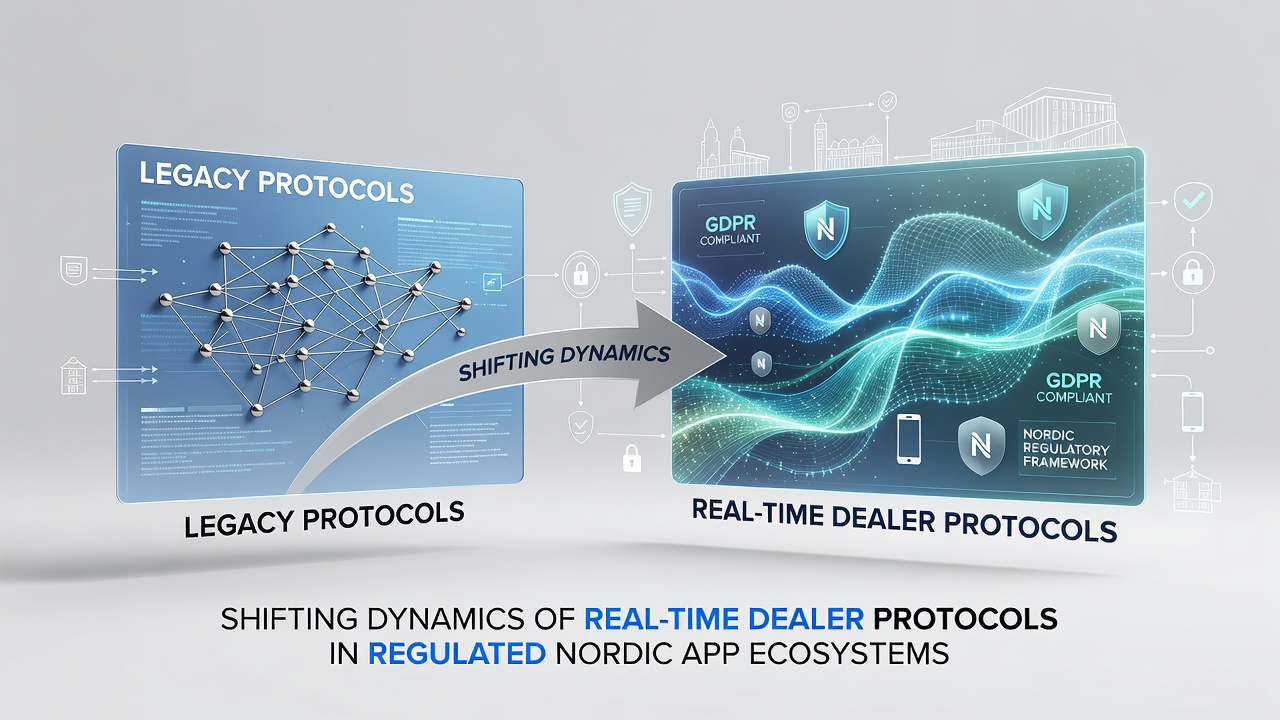
Regulated Nordic app ecosystems have seen measurable adjustments in how real-time dealer protocols operate within licensed mobile platforms since the mid-2020s, driven by updated licensing conditions across Sweden, Denmark, Norway and Finland. These protocols manage live video streams, player verification sequences and transaction logging that must align with national gambling statutes. Data from national regulators indicate that mobile live dealer sessions now account for a growing share of operator revenue in these markets, with compliance frameworks requiring encrypted session handshakes and continuous identity checks during each game round.
Swedish operators licensed by Spelinspektionen must integrate protocol updates that timestamp every dealer action against verified player accounts, a requirement reinforced through audits conducted throughout 2026. Similar technical specifications appear in Danish and Norwegian licensing documents, where authorities demand that live feeds pause automatically if transaction verification lags exceed set thresholds. Observers note that these rules create uniform expectations for app developers while still allowing regional differences in how jackpot contributions are calculated during live table sessions.
Regulatory Updates Shaping Protocol Architecture
November 2026 brought additional guidance from several Nordic regulators concerning minimum latency standards and multi-factor authentication layers for real-time dealer environments. These measures build on earlier directives that tied funding channel verification directly to the start of each live session. Operators report that protocol stacks now incorporate standardized APIs for instant cross-checks against national player registries, reducing the window during which unverified accounts can remain active in a dealer game.
Research conducted by Nordic academic institutions shows that these layered verification steps have altered session duration patterns, with average live dealer rounds extending slightly because of the added confirmation sequences. The same studies document corresponding changes in how progressive prize pools accumulate when players switch between mobile and desktop interfaces mid-session.
Technical Shifts in Live Dealer Integration
App developers serving Nordic markets have adjusted video encoding formats and stream routing to meet both regulatory and network performance demands. Protocols that previously relied on centralized server farms now distribute processing across edge nodes located within each country, shortening the path between dealer camera and player device. This redistribution supports the continuous logging requirements that authorities enforce during compliance reviews.
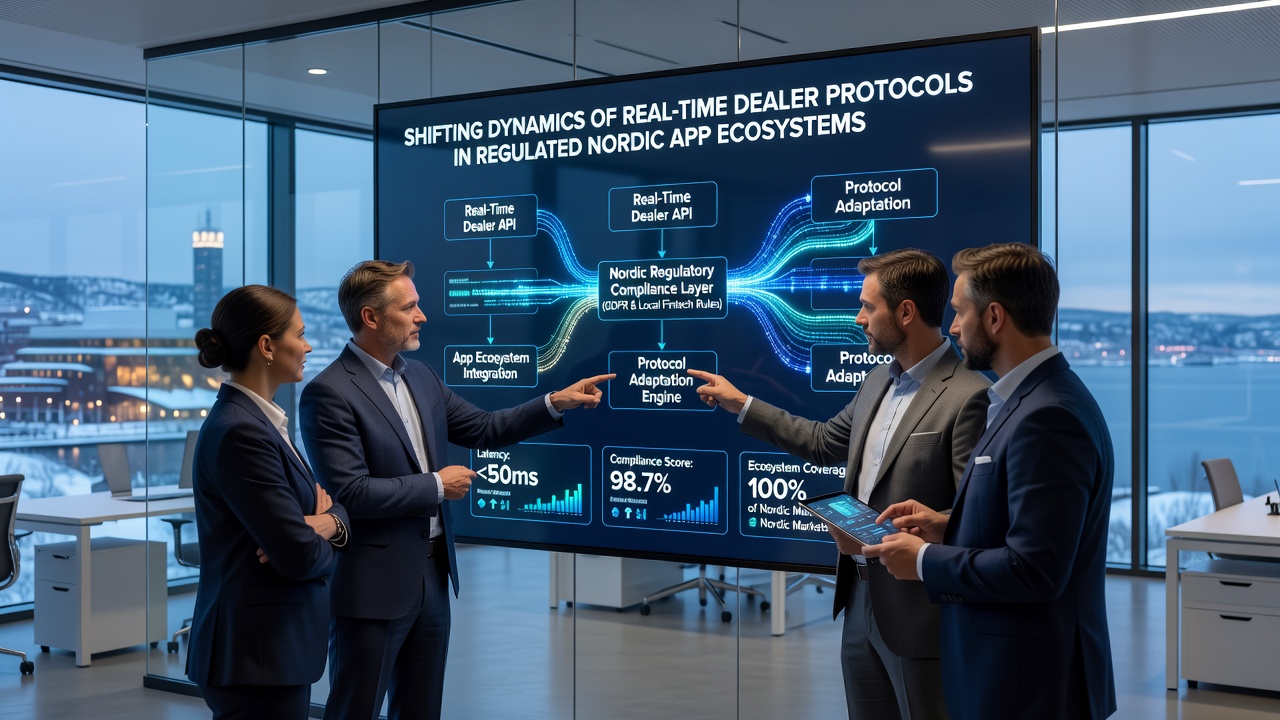
Industry reports compiled by the European Gaming and Betting Association highlight that operators adopting these distributed architectures recorded fewer interruptions during high-volume periods in 2026. The same reports note that transaction flows tied to live dealer tables now route through certified payment gateways that automatically reconcile with national tax reporting systems, a development that simplifies operator obligations under evolving Nordic compliance frameworks.
Cross-Border Data Flows and Verification Standards
Because several Nordic operators hold licenses in multiple jurisdictions, protocol designers must accommodate differing data retention periods and export restrictions. Finnish and Norwegian rules, for instance, impose shorter retention windows for biometric markers captured during dealer sessions compared with Swedish requirements. Developers therefore embed configurable modules that adjust logging behavior according to the player’s registered jurisdiction without altering the core dealer interface.
According to figures released by the Danish Gambling Authority, the proportion of live dealer traffic originating from verified mobile sessions rose steadily through late 2026, reflecting both increased smartphone penetration and stricter desktop verification mandates. These statistics align with broader patterns observed in neighboring markets where app ecosystems have become the primary access point for regulated live table games.
Conclusion
The documented evolution of real-time dealer protocols within regulated Nordic app ecosystems reflects coordinated regulatory pressure and incremental technical adaptation. National authorities continue to refine verification timelines and logging standards, while operators adjust infrastructure to maintain service continuity. Available data through November 2026 indicate that these adjustments have produced measurable shifts in session behavior and transaction reconciliation practices across the region. Future protocol iterations will likely incorporate additional parameters as regulators release updated specifications for mobile live gaming environments.