10 Sep 2026
Connections Between Real-Time Dealer Sessions and Verified Transaction Flows Under Evolving Nordic Compliance Frameworks
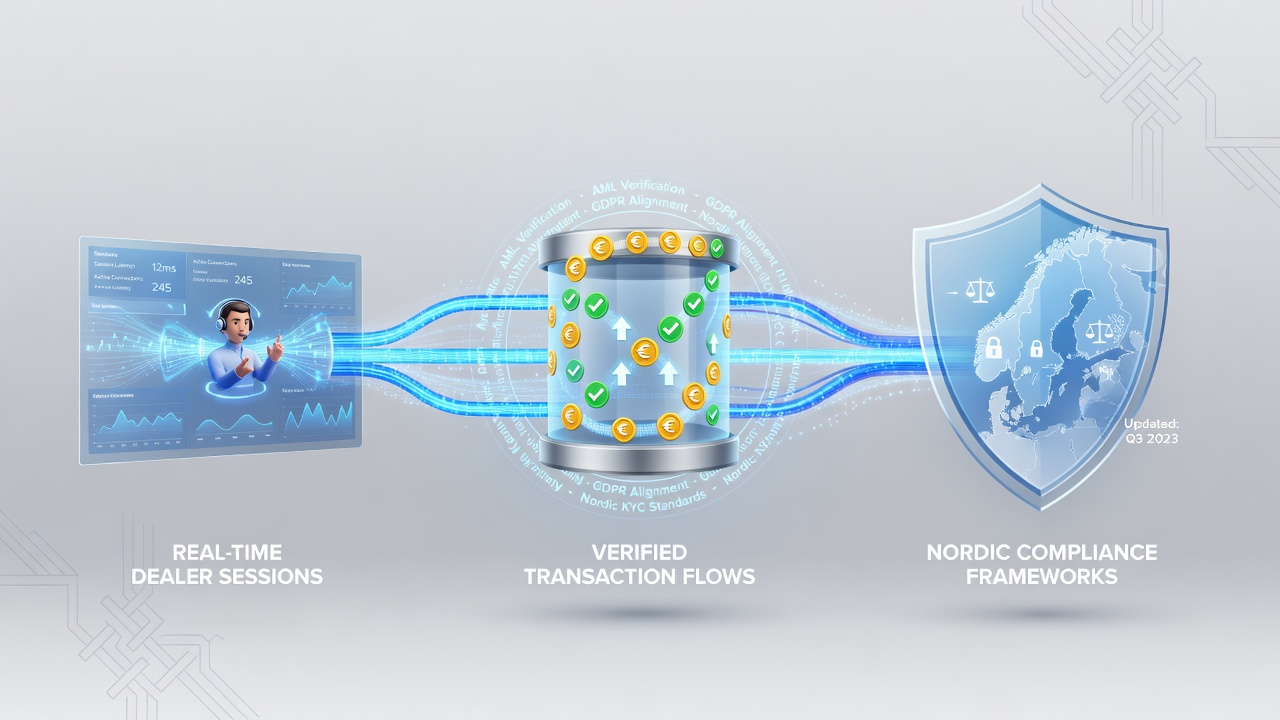
Real-time dealer sessions in live casino environments connect directly to verified transaction flows through integrated platforms that handle player authentication and payment processing in tandem, and Nordic compliance frameworks have adapted to these linkages by introducing stricter synchronization requirements across Sweden, Denmark, Norway, and Finland. Operators must maintain continuous data exchange between dealer software and banking systems, which allows regulators to track funds as they move during active gameplay sessions that often last several hours at a stretch.
Technical Integration in Live Dealer Environments
Dealers operate from studios equipped with cameras and software that log every card dealt or wheel spin, while parallel systems record corresponding bets and payouts without delay, and this dual recording mechanism supports compliance audits that authorities conduct on a rolling basis. In practice the setup requires API connections that push transaction data to central servers the moment a player places a wager, which means any discrepancy triggers immediate flags for review rather than waiting until session end.
Observers note that these connections have grown tighter since mobile interfaces became dominant, because players switch between devices mid-session and each switch demands fresh verification checks to prevent unauthorized access. Nordic frameworks now mandate that operators test these links quarterly, with results submitted to licensing bodies for ongoing approval.
Regulatory Evolution Across Nordic Markets
Swedish authorities updated their technical standards in 2025 to require real-time matching of dealer logs against transaction ledgers, and similar adjustments appeared in Danish and Finnish rules shortly afterward, while Norway focused on state monopoly operations that already embed these controls at the infrastructure level. By September 2026 new reporting templates will take effect that ask operators to demonstrate how dealer session timestamps align with payment authorizations down to the second.
Researchers at European institutions have documented that such alignment reduces instances of delayed fund movement, and the data shows clearer audit trails when systems enforce simultaneous verification rather than batch processing at close of play. Those who monitor the sector point out that Finland's upcoming revisions emphasize open banking integrations, which allow direct pulls from player accounts during live sessions without exposing full banking details to the gaming platform.
Verification Mechanisms and Data Exchange Protocols
Verified transaction flows rely on multi-factor checks that combine player ID, device fingerprinting, and behavioral patterns observed during dealer interactions, and operators link these elements so that a single suspicious move at the table can prompt a temporary hold on further bets. According to reports from the Swedish Gambling Authority, the number of flagged sessions dropped after platforms adopted unified ledgers that update both dealer and financial records in one step.
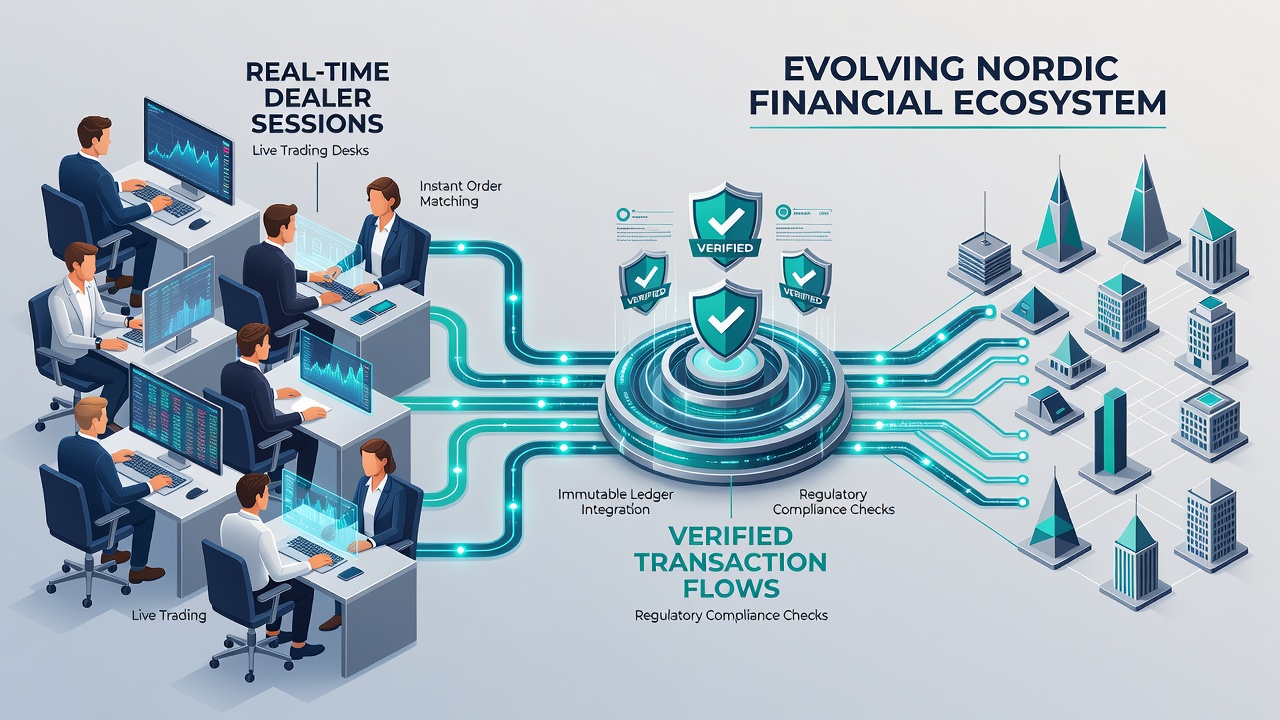
Industry groups such as the European Gaming and Betting Association have published guidelines that encourage use of standardized data fields for session start times, bet amounts, and payout confirmations, and these fields feed directly into regulator dashboards used for spot checks. One study released by academic researchers in 2025 examined 12 months of anonymized logs and found that synchronized systems caught mismatched entries 40 percent faster than older separate-record methods.
Challenges in Maintaining Compliance During Active Sessions
High-volume tables generate thousands of micro-transactions per hour, which creates pressure on verification engines to process without introducing lag that players would notice, and Nordic operators have responded by deploying edge computing nodes that handle initial checks locally before forwarding summaries to central compliance servers. Yet any network hiccup can interrupt the chain, so contingency protocols require immediate session pauses until data integrity is restored.
Those monitoring cross-border play observe that players from multiple Nordic countries often share the same platforms, and each jurisdiction applies slightly different thresholds for transaction size that triggers enhanced due diligence, so systems must route data accordingly based on player registration country. This routing adds layers of logic that developers refine through regular updates scheduled around regulatory announcements.
Future Outlook for Integrated Systems
Planned upgrades scheduled for late 2026 aim to incorporate machine learning models that predict potential compliance issues from patterns in dealer session data combined with transaction velocity, and early pilots in Denmark have shown these models reduce manual review workload by routing routine cases automatically. Regulators continue to refine what constitutes acceptable latency between a dealer action and its financial record, with current drafts suggesting sub-second targets for most game types.
Conclusion
The links between real-time dealer sessions and verified transaction flows form a core element of Nordic compliance strategies, and operators continue to invest in the technical bridges that keep both sides aligned under shifting rules. As frameworks evolve through 2026 and beyond, the emphasis remains on accurate, timely data exchange that supports both player protection and regulatory oversight across the region.